

Why Redesigning is Important?
A website redesign is the process of updating and improving the look, feel, and functionality of a website. It involves changing the website’s design, layout, content, and features to make it more modern, user-friendly, and relevant. Redesigning a website is essential for several reasons, including:
Improving User Experience: A well-designed website provides a great user experience and can attract and retain more visitors.
Updating Technology: Technology advances rapidly, and a website that was built a few years ago may not be compatible with the latest web standards and devices.
Boosting SEO: A website redesign can improve search engine ranking by optimising the website’s content, structure, and performance.
Reflecting Brand Image: A website should reflect a company’s brand image and values. Redesigning a website can help a business stay current and relevant with its target audience.

Signs that your business is ready for a website redesign
A business should consider redesigning its website if it exhibits any of the following signs:
1. Outdated Design
An outdated website design can make a business look unprofessional and outdated. It can also result in a poor user experience and high bounce rates.
2. Poor User Experience
A website should be easy to navigate and provide a seamless user experience. If visitors find it difficult to find the information they need or complete the desired action, such as making a purchase or filling out a form, it’s time to consider a redesign.
3. High Bounce Rates
Bounce rate is the percentage of visitors who leave a website after viewing only one page. A high bounce rate indicates that visitors are not finding what they are looking for on the website. A redesign can help reduce bounce rates by improving the website’s design and content.
4. Low Search Engine Ranking
A website with a low search engine ranking may indicate the need for a redesign. A website redesign can improve search engine optimisation (SEO) by incorporating SEO best practices such as optimising website content, structure, and performance. A website with good SEO can improve visibility, drive traffic, and increase conversions.
5. Non-Responsive Design
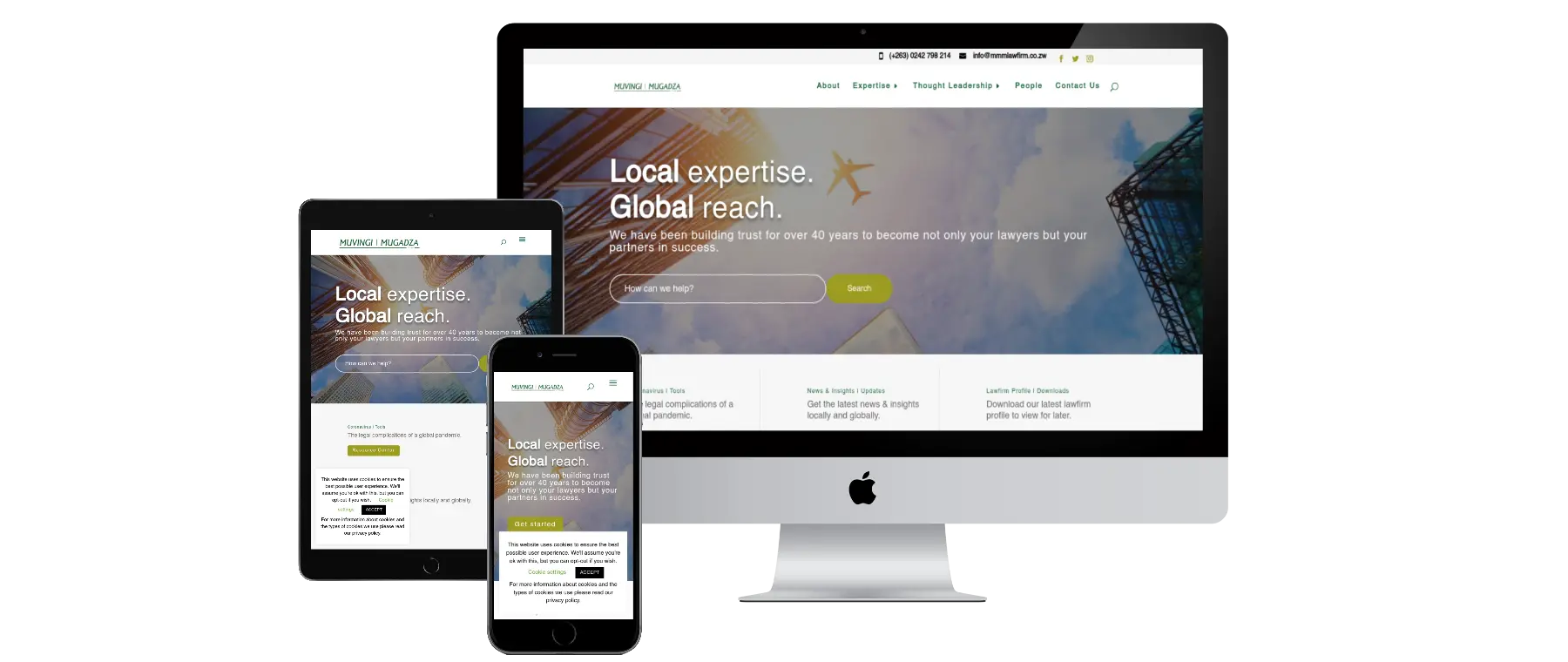
A non-responsive website design is not optimised for different devices, such as smartphones and tablets. In today’s mobile-first world, it is crucial to have a responsive website design. A redesign can make the website more accessible and user-friendly on all devices.
Factors to consider before redesigning your website
Before redesigning a website, a business should consider the following factors:
1.Website Goals and Objectives
A business should have clear goals and objectives for its website. Redesigning a website should align with these goals and objectives and help achieve them.
2. Website Traffic
Website traffic refers to the number of visitors a website receives. A business should analyse its website traffic to identify areas that need improvement.
3. Website Analytics
Website analytics provides insights into how visitors interact with a website. Analyzing website analytics can help identify areas of the website that need improvement.
4. Website Content
Content is a crucial component of a website. Before redesigning a website, a business should audit its website content and identify areas that need improvement.
5. Website Budget
Redesigning a website can be costly, so a business should have a budget in mind. The budget should consider factors such as website design, development, and maintenance costs.
Best practices for website redesign
Redesigning a website can be a complex process. The following best practices can help ensure a successful website redesign:
1. Conducting Research
Before redesigning a website, a business should conduct research to identify areas that need improvement. Research can include analysing website analytics, identifying user pain points, and analysing competitor websites.
2. Creating a Plan
A well-thought-out plan is crucial for a successful website redesign. The plan should include goals and objectives, a timeline, and a budget.
3. Choosing the right platform and tools
Choosing the right platform and tools is crucial for a successful website redesign. The platform and tools should align with the website’s goals and objectives.
4. Improving user experience
A website should provide a seamless user experience. Improving user experience can involve optimising website navigation, improving website speed, and simplifying website design.
5. Implementing SEO Best Practices
SEO is crucial for a website’s visibility and traffic. Implementing SEO best practices can involve optimising website content, structure, and performance.
6. Testing and Launching
Testing is crucial to ensure a successful website redesign. Before launching the website, a business should conduct thorough testing to identify and fix any issues.
How Often Should a Business Redesign Its Website?
The frequency of website redesign depends on several factors, such as website goals, industry trends, and technology advancements. A business should consider redesigning its website if it exhibits any of the signs mentioned earlier. However, there is no specific timeframe for website redesign.
Factors that affect website redesign frequency
The following factors can affect website redesign frequency:
Industry Trends: Industry trends can dictate the need for a website redesign. A business should stay current with industry trends to remain relevant.
Technology Advancements: Technology advances rapidly, and a website that was built a few years ago may not be compatible with the latest web standards and devices.
Website Goals: Website goals and objectives can dictate the need for a website redesign. A business should regularly evaluate its website’s goals and objectives to ensure they are still relevant.
Website Traffic: Website traffic can indicate whether a website needs improvement. A business should analyze its website traffic regularly and identify areas that need improvement.
Recommended website redesign frequency
While there is no specific timeframe for a website redesign, a business should consider redesigning its website every three to four years. This timeframe ensures the website remains relevant and up-to-date with industry trends and technology advancements.
Ready to grow your website traffic? Let the pros help!
Your website redesign is vital to the success of your business. It can be daunting, but it can be a painless experience with specialist support. Our team of experts specialise in web design and developing traffic for businesses of all sizes. Contact us today and get on your growth journey!


