How to Optimise Your Content for Improved Search Results
Are you struggling to get your website to appear on the first page of search engine results? If so, you’re not alone. Many businesses face the challenge of trying to improve their search engine rankings and increase their online visibility. The good news is that it’s possible to unlock the potential of search engines and optimise your content for better search results. In this article, we will explore proven strategies and techniques to help you optimise your content effectively.
By implementing these best practices, you can increase the visibility of your website, attract more organic traffic, and ultimately, improve your conversions. We will cover everything from keyword research and on-page optimisation to link building and user experience. Whether you’re a small business owner, a marketing professional, or a seasoned SEO expert, these tips and insights will provide valuable guidance in enhancing your search engine rankings. So, let’s dive in and unlock the full potential of your website in search engine results.

The importance of optimising content for search engines
In today’s digital landscape, search engines play a crucial role in connecting users with the information they seek. With millions of websites competing for attention, it’s essential to optimise your content to stand out from the crowd. Optimising your content for search engines not only improves your website’s visibility but also helps you attract quality traffic and potential customers.
Search engine optimisation (SEO) involves a range of techniques aimed at improving your website’s organic search rankings. By understanding how search engines work and what they prioritise, you can tailor your content to align with their algorithms and increase your chances of improved search results.
One of the key reasons why optimising your content for search engines is important is that it helps you reach your target audience. When users search for a specific keyword or phrase, they are actively seeking information related to that topic. By optimising your content around relevant keywords, you can ensure that your website appears in front of users who are most likely to be interested in your products or services. This targeted approach not only improves the quality of your website traffic but also increases the likelihood of conversions.
To unlock the full potential of search engines, it’s crucial to understand how search engine algorithms work and what factors they consider when ranking websites. Let’s delve into the intricacies of search engine algorithms in the next section.
Understanding search engine algorithms
Search engine algorithms are complex systems that analyse, and rank websites based on various factors. While search engines keep their algorithms closely guarded, there are several known factors that influence search rankings.
One of the most important factors is relevance. Search engines strive to provide users with the most relevant and useful results for their search queries. To determine relevance, search engines consider factors such as keyword usage, content quality, user engagement metrics, and website authority.
User experience is another crucial aspect that search engines take into account. Websites that offer a seamless and intuitive user experience are more likely to rank higher in search results. Factors such as website speed, mobile-friendliness, easy navigation, and low bounce rates contribute to a positive user experience.
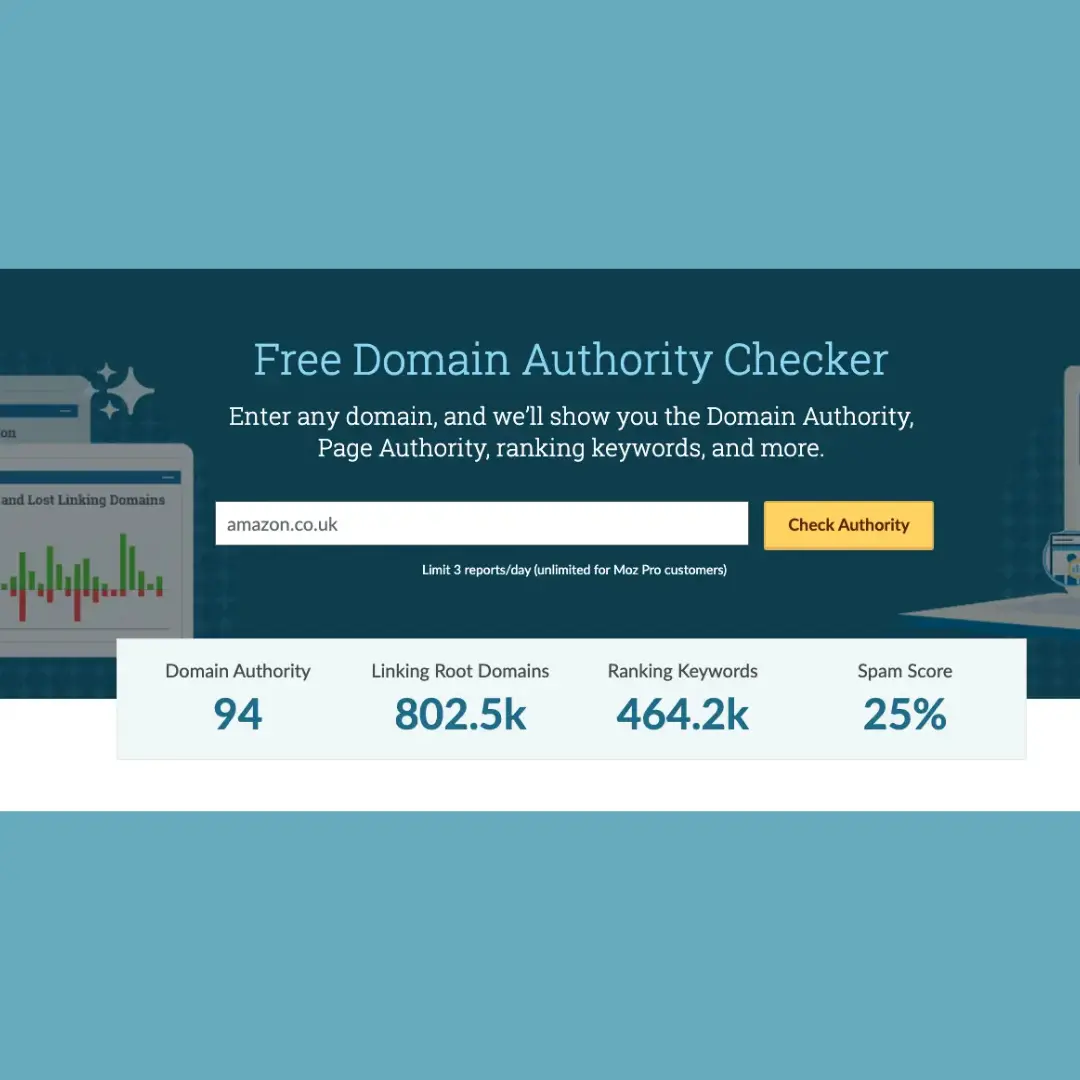
Search engines also consider the authority and credibility of a website when ranking search results. The number and quality of backlinks, social signals, and online mentions are some of the factors that influence a website’s authority. By building a strong online presence and earning backlinks from reputable sources, you can improve your website’s authority and boost your search rankings.
Now that we have a basic understanding of search engine algorithms, let’s explore the first step in optimising your content for search engines – keyword research and analysis.
Keyword research and analysis
Keyword research is the foundation of any successful SEO strategy. It involves identifying the keywords and phrases that are relevant to your business and have a high search volume. By targeting these keywords in your content, you can increase your website’s visibility and attract traffic from users actively searching for information related to your offerings.
There are several tools available that can assist you in conducting keyword research. Google Keyword Planner, SEMrush, and Ahrefs are some popular options that provide valuable insights into keyword search volume, competition, and related keywords.
When performing keyword research, it’s important to strike a balance between high search volume and low competition. While you want to target keywords that have a significant search volume, you also want to ensure that the competition is not too intense. Targeting long-tail keywords, which are longer and more specific phrases, can often be an effective strategy to rank higher in search results.
Once you have identified your target keywords, it’s essential to incorporate them strategically into your content. However, it’s important to avoid keyword stuffing, which refers to the excessive and unnatural use of keywords in an attempt to manipulate search rankings. Search engines have become smarter in detecting keyword stuffing and penalise websites that engage in this practice. Instead, focus on creating high-quality, informative content that naturally incorporates your target keywords.
On-page optimisation techniques
On-page optimisation refers to the process of optimising individual web pages to improve their search rankings and attract organic traffic. It involves making changes to various elements on a webpage, including content, HTML tags, meta descriptions, and URLs.
One of the first steps in on-page optimisation is optimising your page titles. The title tag is an HTML element that specifies the title of a web page and appears as the clickable headline in search engine results. Including your target keyword in the page title can help search engines understand the relevance of your content and improve your chances of ranking higher.
Another important on-page element to optimise is the meta description. The meta description is a brief summary that appears below the page title in search results. While meta descriptions do not directly impact search rankings, they play a crucial role in attracting users to click through to your website. Crafting engaging and compelling meta descriptions that incorporate your target keywords can significantly improve your click-through rates.
In addition to optimising page titles and meta descriptions, it’s important to optimise your URLs. A descriptive and keyword-rich URL can provide search engines with valuable information about the content of your web page. It’s recommended to use hyphens to separate words in URLs and keep them concise and relevant.
Other on-page optimisation techniques include optimising header tags (H1, H2, H3, etc.), using descriptive alt tags for images, incorporating internal and external links, and ensuring your content is easy to read and scan. By implementing these on-page optimisation techniques, you can enhance the visibility and relevance of your web pages in search engine results.
Creating high-quality and engaging content
While optimising various on-page elements is important, creating high-quality and engaging content should be your primary focus. Search engines prioritise content that is valuable, informative, and relevant to users’ search queries. By consistently producing high-quality content, you can strengthen your website’s authority, attract backlinks, and improve your search rankings.
When creating content, it’s important to understand your target audience and their needs. Conducting audience research and identifying their pain points and interests can help you tailor your content to resonate with them. By addressing their concerns and providing valuable insights, you can establish your website as a go-to resource in your industry.
In addition to providing valuable information, it’s essential to make your content engaging and easy to read. Use headings, subheadings, and bullet points to break up your content and make it scannable. Incorporate multimedia elements such as images, videos, and infographics to enhance the visual appeal of your content.
Another aspect of creating high-quality content is ensuring its uniqueness. Search engines prefer original content that offers a fresh perspective or unique insights. Avoid duplicating content from other sources or using content spinning techniques, as this can negatively impact your search rankings.
Remember that content creation is an ongoing process. Regularly publishing fresh, informative, and engaging content can help you attract and retain a loyal audience, increase your website’s visibility, and improve your search rankings.
Optimising meta tags and descriptions
Meta tags and descriptions play a crucial role in improving your website’s visibility in search engine results. While they do not directly impact search rankings, they significantly influence the click-through rates and user engagement on your website.
The meta title and meta description are HTML elements that provide search engines and users with a brief summary of your web page’s content. Optimising these elements with your target keywords and compelling language can entice users to click through to your website.
When optimising your meta tags and descriptions, it’s important to keep them concise and relevant. Search engines typically display the first 50-60 characters of a meta title, so it’s crucial to include your target keyword and a compelling message within this limit. Similarly, the meta description should be around 150-160 characters and should accurately summarise the content of your web page while enticing users to click through.
It’s important to note that different search engines may display meta tags and descriptions differently. While Google often rewrites meta descriptions to display relevant snippets from your content, other search engines may use the original meta description you provide. Therefore, it’s essential to craft compelling and informative meta tags and descriptions that entice users to click through to your website.
Image optimisation for better search visibility
Optimising your images can significantly improve your website’s search visibility and attract traffic from image search results. Search engines analyse various factors to determine the relevance and quality of images, including image file names, alt tags, captions, and surrounding text.
When optimising your images, it’s important to use descriptive file names that include relevant keywords. For example, instead of using a generic file name like “IMG001.jpg,” rename your image file to something descriptive like “best-seo-practices.jpg.” This not only helps search engines understand the content of your image but also improves the accessibility of your website for visually impaired users.
Alt tags, or alternative text, provide a textual description of an image. This text is displayed when an image cannot be loaded or read by screen readers. Optimising alt tags with descriptive and keyword-rich text can help search engines understand the context and content of your images.
In addition to optimising image file names and alt tags, it’s important to consider the size and format of your images. Large and uncompressed images can significantly slow down your website’s loading speed, which can negatively impact your search rankings. Compressing images and using the appropriate file formats (such as JPEG or PNG) can help improve your website’s performance and search visibility.
By optimising your images, you can improve your website’s overall user experience, attract traffic from image search results, and enhance your search rankings.
Link building strategies
Link building is a crucial aspect of SEO that involves acquiring backlinks from other websites. Backlinks are essentially “votes of confidence” from other websites, indicating to search engines that your content is valuable and trustworthy. The quality and quantity of backlinks to your website significantly influence your search rankings.
There are several effective strategies for building backlinks. One popular approach is creating high-quality and engaging content that naturally attracts backlinks. By consistently producing valuable content, you increase the chances of other websites linking to your content as a resource.
Another effective strategy is reaching out to relevant websites and influencers in your industry and asking them to link to your content. This can be done through guest blogging, influencer outreach, or simply building relationships with industry professionals. When requesting backlinks, it’s important to emphasise the value and relevance of your content and how it can benefit their audience. Social media can also play a role in link building. By sharing your content on social media platforms, you increase its visibility and the likelihood of other users and websites linking to it. Additionally, participating in industry forums and online communities can help you establish your expertise and attract links from relevant sources.
While building backlinks is important, it’s crucial to focus on quality rather than quantity. Search engines prioritise backlinks from authoritative and reputable websites. Earning a few high-quality backlinks from trusted sources can have a more significant impact on your search rankings than acquiring numerous low-quality backlinks. Remember that link building is an ongoing process. Continuously monitoring and analysing your backlink profile, identifying new link building opportunities, and maintaining relationships with website owners and influencers can help you improve your website’s authority and search rankings.
Monitoring and tracking SEO performance.
Optimising your content for search engines is an ongoing process. It’s essential to regularly monitor and track your SEO performance to identify areas for improvement and measure the effectiveness of your optimisation efforts.
One of the key metrics to monitor is your website’s organic search traffic. Tools like Google Analytics provide valuable insights into the number of visitors your website receives from organic search results, the keywords they used to find your website, and their behaviour on your website. Monitoring these metrics can help you identify trends, understand user preferences, and optimise your content accordingly.
In addition to organic search traffic, it’s important to track your search engine rankings for target keywords. There are several tools available, such as SEMrush and Ahrefs, that allow you to track your keyword rankings and compare them to your competitors. Regularly reviewing your keyword rankings can help you identify areas where you need to improve and adjust your optimisation strategies accordingly.
Another important aspect of monitoring your SEO performance is analysing user engagement metrics. Metrics such as bounce rate, time on page, and pages per session provide insights into how users interact with your content. By analysing these metrics, you can identify pages with high bounce rates or low engagement and optimise them to improve user experience and search rankings.
Finally, it’s essential to stay up to date with the latest trends and changes in search engine algorithms. Search engines constantly update their algorithms to provide users with the best possible search experience. By staying informed and adapting your optimisation strategies accordingly, you can stay ahead of the competition and continue to improve your search engine rankings.
Conclusion
Optimising your content for search engines is a continuous and dynamic process. It requires a combination of technical expertise, strategic planning, and creative content creation. By implementing the strategies and techniques discussed in this article, you can unlock the full potential of search engines and improve your website’s visibility, attract organic traffic, and ultimately, achieve your business goals. Remember that search engine optimisation is not a one-time task but an ongoing effort.